Why Choose Aequi Flex Ankle Brace
DIY Ankle Support: Knowing When to Explore Professional Orthopaedic Options
DIY ankle support can be an effective option for mild ankle injuries. That said, not all ankle concerns are ideal for home-based treatments. Certain injuries might need specialized treatment. Recognizing when to seek expert assistance is essential. Elements including swelling, pain levels, and range of motion heavily influence reaching this conclusion. Understanding these aspects can guide individuals toward the most effective path for recovery. What symptoms should a person consider before consulting an expert?
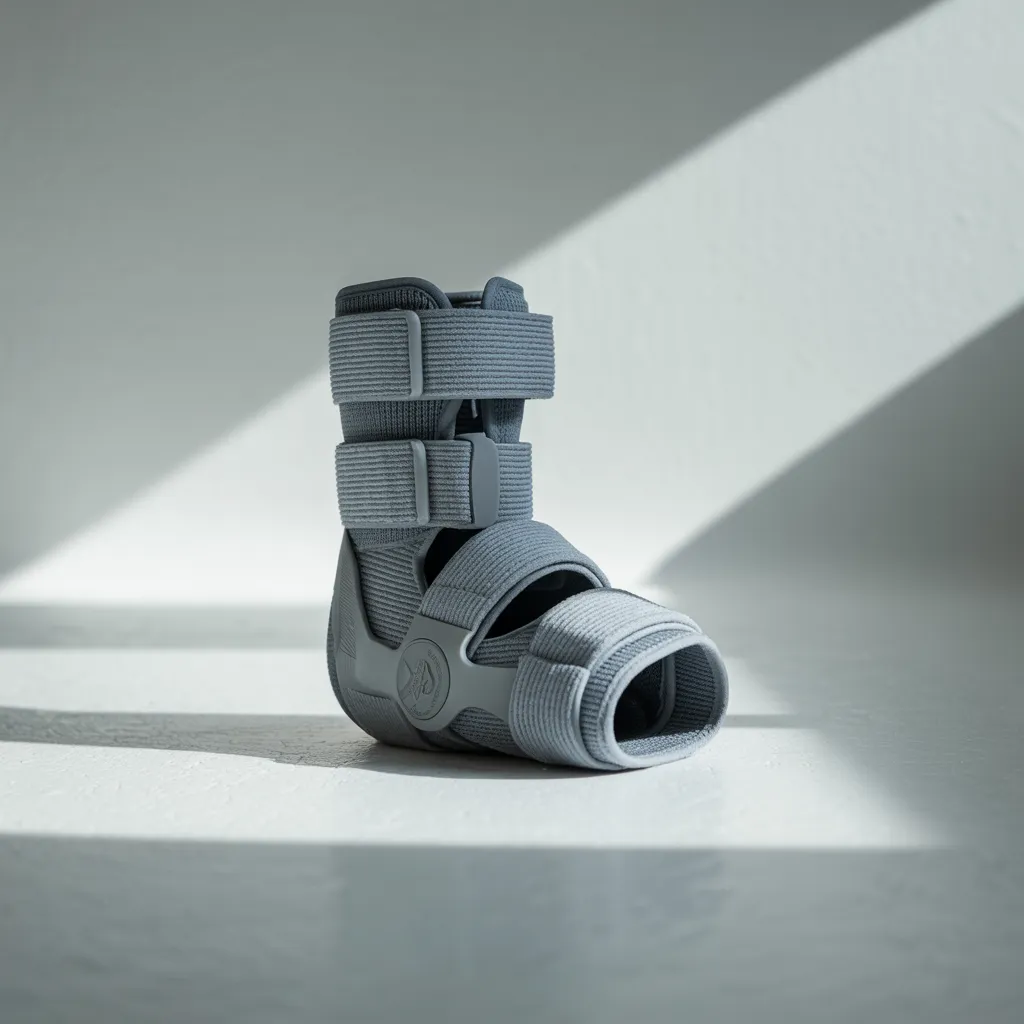
What Are Common Ankle Injuries and Their Treatments?
Ankle injuries are some of the most widespread musculoskeletal problems, commonly arising from sports-related events or routine mishaps. Typical injuries consist of sprains, fractures, and tendonitis. Ankle sprains develop when ligaments are overstretched or ruptured, typically caused by awkward landings or slips. Treatment usually involves the RICE method: rest, ice, compression, and elevation, in addition to physical therapy for a full recovery.
Fractures, referring to breaks in the bones of the ankle, are often caused by severe trauma. These injuries frequently necessitate immobilization using a cast or a brace, and in some cases, surgical intervention may be necessary for proper alignment. Tendonitis, characterized by inflammation of the tendons, is common among athletes. Care usually consists of rest, icing, and anti-inflammatory medications, supplemented by rehabilitation exercises to rebuild strength and flexibility. Familiarity with these frequent injuries and their treatment options can facilitate effective management and recovery, lowering the chance of long-term complications.
Pros and Cons of DIY Ankle Support
When considering the reliance on DIY ankle support, people frequently consider various benefits and drawbacks. One significant advantage is cost-effectiveness; DIY approaches are often much cheaper than store-bought alternatives. In addition, DIY solutions provide adaptability, allowing people to adjust the support according to their unique requirements.
Nonetheless, there are important limitations. A lack of expert direction may result in suboptimal support or incorrect technique, potentially intensifying injuries. Homemade solutions may not offer the same degree of stability and protection as products designed by professionals, which are generally grounded in rigorous research and development. In addition, one might neglect underlying conditions that need professional medical care, resulting in extended rehabilitation periods. All things considered, while DIY ankle support can be helpful in particular cases, careful consideration of its limitations is necessary for effective injury management and recovery.
Could Your Ankle Injury Be Serious? Here Are the Warning Signs
How can someone identify the severity of an ankle injury? The process begins with evaluating the pain level. If the pain is intense, it may suggest a more serious injury, such as a fracture or severe sprain. Bruising and swelling are also important signs; significant swelling or discoloration can suggest damage to underlying ligaments or bones.
Range of motion should be examined as well; trouble supporting weight or rotating the ankle may warrant further investigation. A visible deformity, like an unusual form or alignment, often signifies a serious injury, demanding urgent clinical assessment.
In addition, a tingling or numb sensation in the foot or toes can be a sign of nerve involvement, raising concern for complications. Patients should carefully observe these symptoms, as swift detection of a serious injury can result in more effective treatment and a better recovery.
Signs That It Is Time to See an Orthopedic Specialist
Recognizing when to seek the expertise of an orthopedic expert is vital for proper ankle healing. Persistent pain, a reduced range of motion, and considerable swelling or bruising are primary indicators that necessitate professional examination. Timely consultation can aid in preventing additional complications and ensure appropriate treatment.
Chronic Pain Symptoms
Chronic pain in the ankle can suggest deeper problems that require professional attention. Patients experiencing continuous pain, despite rest and home remedies, may be well-served by consulting an orthopedic specialist. This pain may stem from multiple causes, including tendon injuries, ligament damage, or inflamed joints. If the pain is accompanied by swelling, bruising, or difficulty bearing weight, these symptoms clearly demonstrate the need for expert examination. Early treatment can prevent the progression of conditions and support effective therapeutic approaches. Furthermore, persistent pain may impede daily activities and overall quality of life, making it essential to tackle these concerns without delay. Seeking professional advice ensures an precise evaluation and suitable treatment adapted to the patient's unique requirements.
Restricted Range of Motion
A reduced degree of mobility in the ankle can significantly impact daily activities and overall mobility. Patients may have difficulty to complete basic tasks such as engaging in sports, walking, or navigating stairs. This condition can result from various causes, including arthritis, tendonitis, or previous injuries. When a person notices a considerable decline in flexibility or struggles to move the ankle in specific directions, it may be time to consult an orthopedic professional. Prompt treatment can avoid additional issues and support successful recovery. An expert can perform a detailed examination and recommend appropriate treatment options, ensuring a return to normal function and preventing long-term disability. Acknowledging these indicators is essential for maintaining an active lifestyle.
Swelling or Bruising Issues
Even though minor swelling or bruising can improve with rest and ice, people should exercise caution, as such symptoms may point to more significant underlying conditions. Continued or escalating swelling might suggest a fracture, torn ligament, or other substantial injury. When bruising looks severe, grows rapidly, or occurs alongside significant pain, immediate medical evaluation is strongly advised. Additionally, individuals should consult an orthopedic specialist if they experience difficulty bearing weight, further information a feeling of instability, or if the swelling does not subside after a few days of home treatment. Early intervention can prevent complications and promote a more effective recovery process, ensuring that underlying problems are addressed before they escalate into chronic issues. Consulting a medical professional is key to achieving optimal recovery.
DIY Compared to Professional Ankle Support Solutions
The comparison between DIY ankle support and professional solutions highlights varying effectiveness and cost implications. Although DIY approaches can offer short-term relief, identifying indicators that suggest the need for professional care remains crucial. Assessing these considerations can help individuals determine the most suitable support option for their specific situation.
Success of DIY Support
Assessing the performance of DIY ankle bracing versus professional alternatives reveals significant differences in quality and reliability. DIY bracing commonly employs makeshift materials and approaches, which can prove inadequate in providing proper stabilization or compression. By comparison, professional solutions are engineered with precise anatomical factors in mind, providing superior support across multiple conditions, such as sprains and ongoing instability.
Additionally, professionally designed solutions are subjected to extensive testing for both durability and performance, offering users peace of mind and reassurance. Although DIY approaches may provide short-term relief, they often lack the tailored fit and support necessary for recovery. In the end, those looking for reliable ankle support should carefully consider the potential drawbacks of DIY methods in comparison to the advantages of choosing professional solutions.
Telltale Signs You Need Help
How can one determine when it becomes necessary to seek expert assistance for ankle support? Multiple signs point to the fact that self-treatment approaches may fall short. Ongoing pain, inflammation, or weakness in the ankle after trying self-care measures points to a more significant concern. If the ability to move is considerably limited, or if the ankle feels increasingly weak, a medical consultation is strongly advised. Furthermore, obvious physical deformities or difficulty bearing any weight necessitate urgent professional evaluation. Should symptoms fail to subside within a short period, consulting an orthopaedic professional is recommended. Early intervention can prevent further complications and enable a more successful healing process. Understanding these signals can lead individuals to proper medical support, ensuring that their recovery is both safe and efficient.
Financial Considerations for Care
Determining when to consult a professional for ankle problems frequently prompts people to consider their choices between self-care remedies and expert treatment. Self-managed ankle care, commonly utilizing braces or wraps, usually involves low expenses, making it an attractive option for many. However, these solutions may not address underlying issues effectively. In contrast, professional orthopaedic care can be considerably more expensive, including medical consultations, diagnostic procedures, and customized care plans. Although the upfront cost is greater, professional treatment can help avoid future complications and further costs arising from unaddressed injuries. Ultimately, the decision copyrights on individual circumstances, such as the extent of the injury, available finances, and the priority given to comprehensive care over quick, budget-friendly alternatives.
Best Practices for Ankle Injury Recovery
Healing from an ankle injury demands a strategic approach to achieve proper healing and regain mobility. In the beginning, the RICE method—rest, ice, compression, and elevation—should be applied to alleviate swelling and pain. Gradual reintroduction of movement is important; gentle range-of-motion exercises can promote flexibility and prevent stiffness.
Following the acute stage, strengthening exercises centered around the supporting muscles can support recovery, boosting stability and minimizing the likelihood of future injuries. Stability training, including one-legged standing exercises, also promotes rehabilitation.
It is crucial to be mindful of the body, refraining from activities that trigger discomfort. Proper hydration and nutrition are also key factors in the recovery process.
When improvement plateaus or pain remains, speaking with a qualified healthcare provider is suggested. By adhering to these best practices, people can enhance their healing process and facilitate a return to normal function.
Questions We Often Receive
Is It Possible to Use Ice for Ankle Pain Relief at Home?
Ice can indeed be used at home to relieve ankle pain. Applying ice reduces swelling and numbs pain. For acute injuries, it is typically advised to apply ice for 15-20 minutes every few hours to achieve the best results.
What Are the Best Materials for DIY Ankle Support?
Neoprene, elastic bandages, and foam padding make perfect materials for DIY ankle bracing. These provide compression, warmth, and cushioning, enhancing stability while allowing for flexibility during movement, making them suitable for temporary relief and support.
For How Long Should a Homemade Ankle Brace Be Worn
A homemade ankle brace should typically be worn for a period of 24 to 48 hours following an injury, or until the swelling has gone down. However, individual recovery times may vary, and it's advisable to consult a healthcare professional for guidance.
What Exercises Can I Do to Strengthen My Ankle at Home?
There are indeed a number of home exercises that can strengthen the ankle. These exercises include resistance band exercises, ankle circles, heel raises, and toe taps. Consistent practice can improve stability and reduce injury risk over time.
What Indicators Suggest My DIY Support Isn't Effective?
Indicators that self-managed support is ineffective encompass ongoing pain, inflammation, instability, restricted movement, or deteriorating symptoms. When these symptoms remain despite at-home management, professional orthopaedic consultation is strongly encouraged for accurate diagnosis and treatment.