Tips for Choosing Ankle Support Devices
Ankle Support: Must-Have Equipment for Athletes and Active People
Ankle support serves a critical function in the lives of active individuals and athletes. It offers essential stability and guards against injuries during high-impact activities. Many overlook its importance until faced with a sprain or strain. Understanding the benefits and signs that indicate the need for ankle support can significantly impact performance and long-term participation in sports. What elements should one examine when determining the right ankle support?
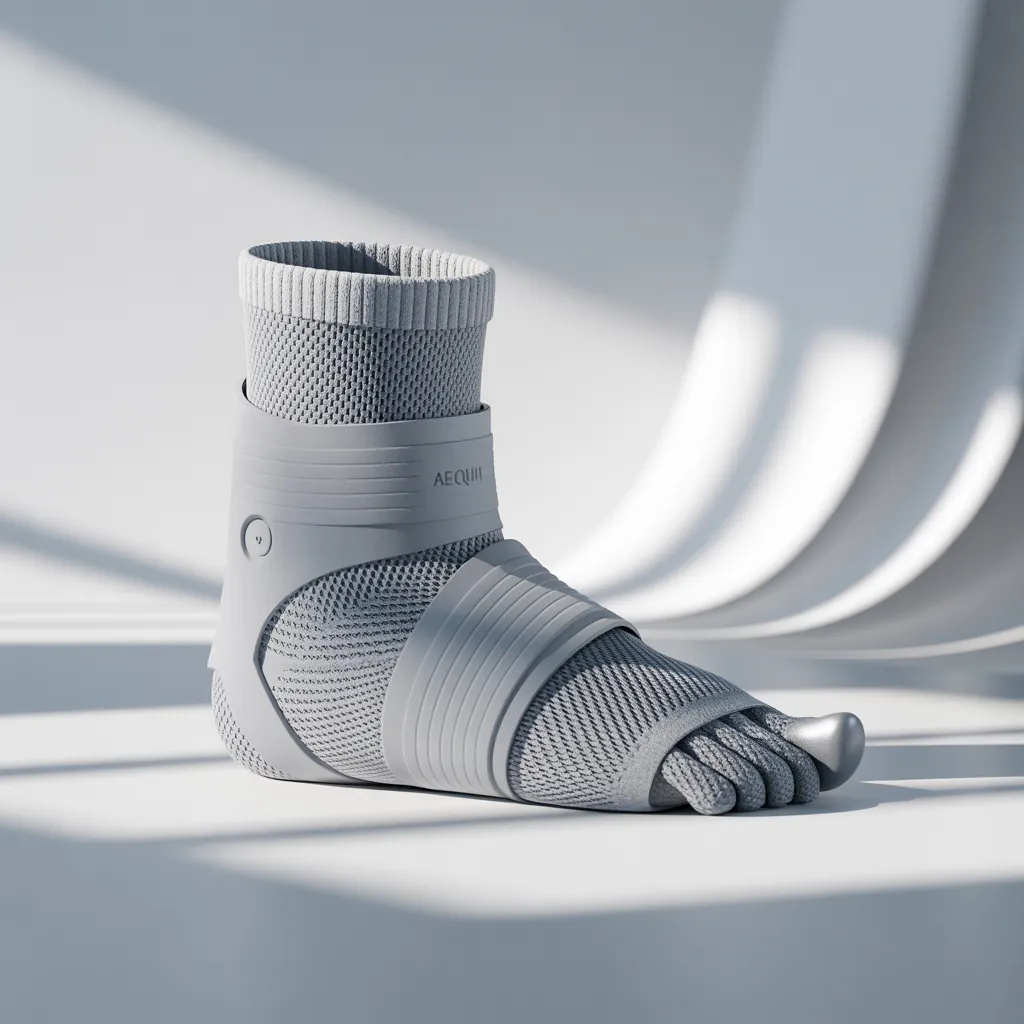
The Importance of Ankle Support for Athletes
Ankle support is essential for athletes, as it aids in injury prevention and improves performance. The ankle joint is especially susceptible during intense athletic activities, where abrupt directional shifts and rotational movements frequently occur. Without sufficient stabilization, athletes face the danger of strains, sprains, and potential fractures, which can keep them off the field for prolonged durations. Ankle support delivers critical stability, allowing athletes to maintain proper form and technique, especially during high-intensity explosive actions.
Furthermore, the psychological dimension of wearing ankle support should not be overlooked. Athletes often feel greater security and confidence when their joints are given proper support, enabling them to focus on their athletic output rather than potential injuries. Additionally, varying types of ankle supports, ranging from rigid braces to flexible sleeves, address diverse activity intensities and unique needs. All things considered, making a priority of ankle support is vital for players seeking to optimize their abilities and reduce the likelihood of injury.
Benefits of Wearing Ankle Support During Physical Activity
Ankle support is fundamentally important for improving athletic performance by offering stability and minimizing the likelihood of injuries. By providing focused support throughout physical activities, it helps athletes maintain proper alignment and control. This preventative approach not only encourages confidence but also supports overall safety on the field or court.
Strategies for Injury Prevention
A great number of athletes profit immensely from adding ankle support to their physical routines, as it holds a significant place in injury prevention. Ankle support helps stabilize the joint, lowering the likelihood of sprains and strains resulting from sudden twists or impacts. By providing compression, it can also boost blood flow, promoting quicker recovery and minimizing fatigue during intense workouts. detailed information Furthermore, athletes who have experienced ankle injuries in the past may discover that wearing support significantly lowers the chance of re-injury. This forward-thinking approach builds confidence, empowering athletes to excel without the persistent concern of setbacks. In summary, ankle support stands as an essential resource in an athlete's toolkit, securing lasting participation in their active pursuits while preserving peak performance levels.
Increased Stability And Support
Athletes gain greater stability and support when utilizing ankle support during sports activities, significantly elevating their overall performance. By offering a firm fit, ankle supports help stabilize the joint, reducing the risk of sprains and strains. This added stability allows athletes to carry out movements with greater confidence, whether jumping, sprinting, or pivoting. Additionally, ankle support can assist in maintaining optimal alignment, which is essential during high-impact activities. The compression offered by these supports can also improve blood circulation, enabling more rapid recovery times. Overall, the inclusion of ankle support into an athlete's gear not only enhances physical performance but also contributes to long-term joint health, making it an indispensable component for both professional and amateur athletes alike.
Signs You Need Ankle Support
How can one recognize the signs that ankle support is necessary? Individuals may begin to notice discomfort or pain in the ankle during physical activities, indicating a need for additional support. Swelling or tenderness around the joint can also signal that the ankle is under stress, particularly after rigorous exercise. Repeated rolling or turning of the ankle, even in everyday activities, points to instability that may be improved with added support.
Additionally, persistent fatigue in the ankle after workouts can be a sign of overuse, calling for the use of support to improve recovery. Athletes may additionally observe that their performance is affected because of reduced confidence in their ankle's stability, creating a need for additional external support. Overall, being aware of these signs is fundamental for avoiding injuries and maintaining peak performance in sports and daily activities.
Finding the Ideal Ankle Support for Your Activity
What factors should be considered when selecting the ideal ankle support for specific activities? The nature of sport or physical activity plays a vital role in this selection. High-impact sports, like basketball or soccer, could necessitate firmer support to keep the ankle stable during abrupt movements. On the other hand, exercises such as running may be better suited to a lighter and more adaptable design to allow for natural motion.
The level of injury risk is another important factor. People who have experienced ankle injuries in the past may choose to incorporate extra support features, like supportive straps or braces. Moreover, the overall duration of the session ought to be factored in; prolonged sessions might call for breathable materials in order to maximize comfort.
Ultimately, personal preferences regarding fit and style must not be disregarded, as these can greatly affect adherence to wearing the support. By considering these elements, athletes are able to select the best suited ankle support designed for their individual requirements.
Wearing and Fitting Your Ankle Support
Choosing the appropriate ankle support is only the beginning; appropriate fitting and usage techniques are just as crucial for ensuring maximum benefit. Ankle support should be secure but not uncomfortably constrained, ensuring adequate circulation while providing stability. Before wearing, individuals should adjust the support to fit their unique foot shape, paying attention to potential pressure areas.
When putting on the support, it is essential to commence at the toes and progress upward, ensuring that the brace molds to the contours of the ankle. Users should also take into account the kind of activity for which the support is being used, as various movements may require targeted alterations.
Additionally, using the ankle support over a thin sock can enhance comfort and minimize irritation. Regularly checking for evidence of wear or deterioration will make sure the support keeps functioning properly, delivering the needed assistance throughout physical activities.
Tips for Maintaining Ankle Health and Preventing Injuries
Maintaining ankle health and preventing injuries is essential for athletes, as even minor issues can greatly impact performance. To protect against injuries, athletes should focus on effective warm-up and cool-down practices, which enhance flexibility and circulation. Conditioning exercises, such as calf raises and rotational ankle movements, can improve durability and strengthen surrounding muscles. Moreover, using appropriate footwear tailored to specific sports is vital, as it delivers essential support and padding.
It is recommended that athletes include stability exercises, such as one-leg balance exercises, to strengthen proprioception and reduce the risk of injury. Routinely assessing the sports area for hazards, including uneven surfaces, is also effective in preventing mishaps. During strenuous sports, utilizing ankle supports or braces can provide enhanced structural support. Ultimately, an integration of proactive strategies and diligent maintenance can substantially support lasting ankle strength and function, allowing athletes to excel in their sport while minimizing the likelihood of injury.
Common Questions and Answers
Can Ankle Supports Be Worn During Non-Athletic Activities?
Ankle bracing can certainly prove useful for everyday non-sporting activities. Individuals with prior injuries or those engaged in prolonged standing or walking may find it offers stability and comfort, reducing the risk of strain and discomfort.
When Should I Replace My Ankle Support?
Ankle support should be replaced every six months to a year, depending on frequency of use and wear. Routine checks for indications of damage or reduced elasticity can help ensure optimal support and comfort.
Are There Various Types of Ankle Support Designed for Different Sports?
That's correct, various ankle support accommodate numerous sports. Rigid braces offer support for physical sports, while pliable supports enable movement for activities such as running, ensuring players receive personalized coverage matched to their individual needs.
Is It Possible for Ankle Support to Create Dependency or Weaken the Ankle?
Yes, continuous wearing of ankle bracing can result in over-reliance, as the surrounding muscles may lose strength from decreased activity. This can result in diminished strength and stability, making individuals more susceptible to harm when ankle support is discontinued.
What Materials Are Best for Ankle Support Products?
Neoprene, stretchy fabric, and nylon represent optimal materials for ankle support solutions. These fabrics deliver flexibility, compression, and breathability, guaranteeing sufficient support while permitting comfortable motion during a range of physical activities.