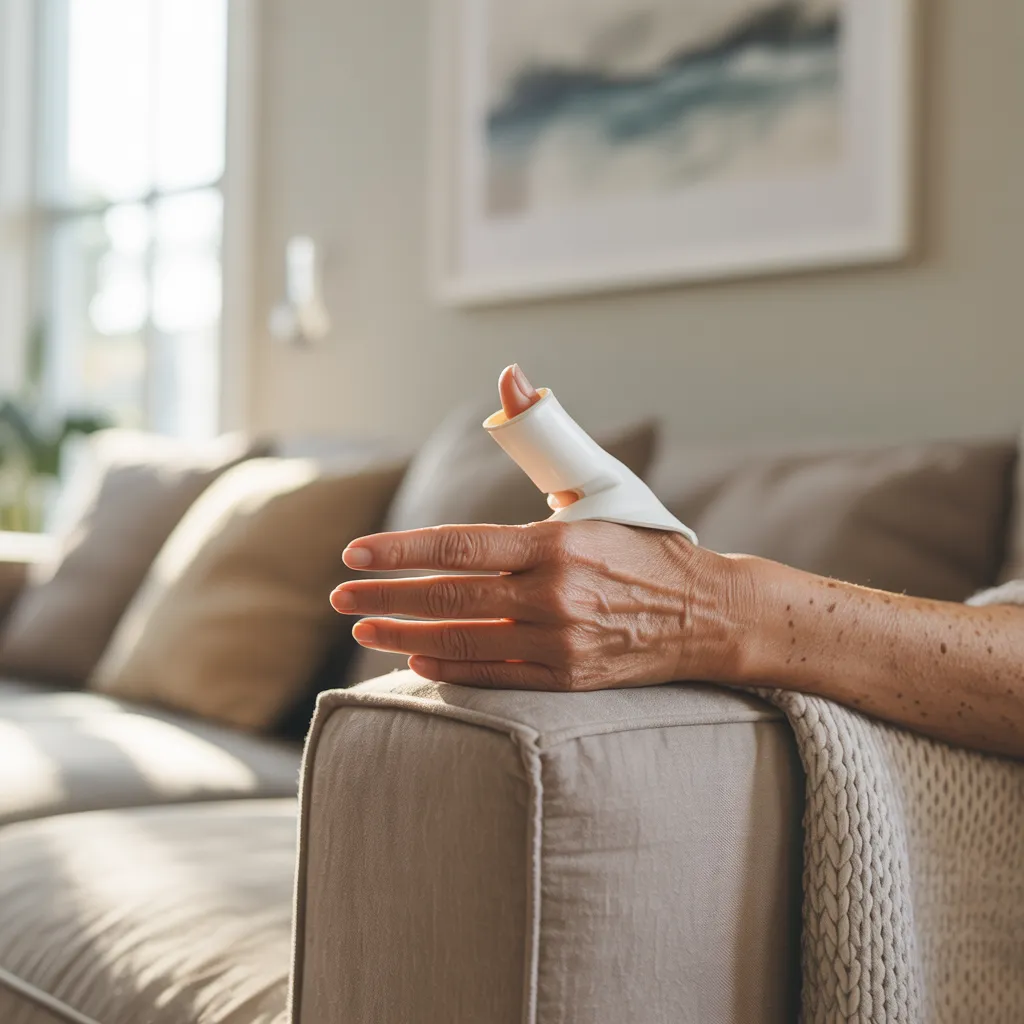
Thumb Support Splint: Comfortable Support Device
Thumb Injuries Explained: The Importance of Orthopaedic Supplies in the Healing Process
Thumb injuries have a considerable effect on daily activities and general well-being. Recognizing the various types and symptoms of such injuries is critical to successful recovery. Accurate diagnosis is key, as it shapes the course of treatment. Moreover, the importance of orthopaedic supplies during recovery is incredibly significant. A range of products offer essential support. Yet, numerous people tend to neglect key elements of prevention and rehabilitation. Exploring these elements can result in a more thorough strategy for thumb health.
Frequent Types of Thumb Injuries You Need to Know
Thumb injuries are surprisingly common and can greatly impact daily activities. Among the various types, sprains are prevalent, often resulting from overstretching or twisting the thumb ligament. Breaks, especially of the proximal phalanx, may result from falls or direct impact, causing considerable pain and reduced function. A further common condition is tendonitis, generally arising from repetitive motion and often producing inflammation and pain. Gamekeeper's thumb, a specific type of ligament injury, arises from excessive force on the thumb's ulnar collateral ligament, frequently seen in sports activities. Furthermore, dislocations are possible, leading to misalignment of the thumb and demanding urgent medical attention. A thorough understanding of these common thumb injuries is key to effective prevention and care, allowing individuals to preserve their daily activities with minimal impact.
How to Detect the Signs of a Thumb Injury
How can one identify the signs of a thumb injury? Being aware of the symptoms is crucial for seeking timely care. Typical signs involve pain concentrated near the thumb joint, which can worsen during activity. Inflammation and discoloration frequently follow the injury, making the affected area visibly different from the other thumb. Restricted movement is another key symptom; the individual may struggle to bend or straighten the thumb fully. Furthermore, a clicking or crunching feeling during motion may indicate ligament injury. Tenderness upon touch is also a key indicator, signaling that the area is inflamed or injured. In some cases, the thumb may appear deformed or misaligned, most notably in significant trauma. Understanding these signs can help people pursue the right medical care, guaranteeing adequate treatment and recovery. Prompt recognition is essential for an effective recovery process.
The Importance of Accurate Diagnosis for Thumb Injuries
Correct identification of thumb injuries is critical, as it directly influences the management strategy and rehabilitation outcomes. Misdiagnosis can lead to unsuitable treatment methods, potentially worsening the injury or delaying the rehabilitation process. For instance, telling apart a sprain and a fracture is crucial; each demands separate begin now care protocols. A thorough examination, often incorporating imaging procedures like X-rays or MRIs, guarantees that the root cause is properly determined.
Moreover, understanding the extent of the condition helps in preparing the appropriate orthopedic equipment, such as supportive devices or splints, which promote recovery. Prompt and exact identification can also minimize lasting complications, such as chronic pain or loss of function. Thus, clinical specialists must concentrate on precise evaluations to optimize recovery and recover total thumb mobility proficiently.
Successful Rehabilitation Approaches for Thumb Injuries
Successful rehabilitation approaches for thumb injuries depend on timely treatment, which can considerably influence recovery outcomes. Customized recovery exercises play an critical role in restoring function, while the use of supportive braces can provide essential stability during the healing process. Understanding these components can support a more successful recovery journey for patients dealing with thumb injuries.
Significance of Early Intervention
Prompt intervention is vital for the best recovery from thumb injuries, as prompt rehabilitation can considerably affect recovery outcomes. Swift attention to thumb injuries reduces the likelihood of complications, such as limited mobility or persistent pain. An initial examination by a qualified healthcare provider facilitates the correct determination of the injury's seriousness and the development of an appropriate treatment plan. This preventive strategy not only accelerates healing but also encourages complete functional restoration, minimizing the risk of permanent impairment. Applying prompt rehabilitation methods can contribute to better range of motion and muscle strength, which are critical for daily activities. As a result, focusing on timely care is crucial for attaining the greatest possible success in thumb injury healing.
Individualized Rehabilitation Exercises
Therapeutic exercises tailored specifically for thumb injuries play a critical role in regaining function and mobility. These exercises focus on strengthening the muscles and tendons surrounding the thumb, which often lose strength following an injury. Progressive, focused movements such as thumb flexion, extension, and opposition work to increase range of motion and minimize stiffness. Furthermore, fine motor skills can be developed through tasks such as gripping small objects or working with putty. Commitment to these exercises is fundamental; incorporating them into daily routines is key to achieving the best recovery outcomes. Through personalized rehabilitation plans, therapists are able to meet each patient's unique needs, ensuring a more effective recovery process. Overall, these customized strategies are instrumental in recovering full function and safeguarding against future injuries.
Utilisation of Orthopaedic Supports
A wealth of research underscores the critical role of orthopaedic supports in the treatment of thumb injuries. These supports, including splints and braces, provide stability and protection, enabling appropriate healing while reducing pain and inflammation. By controlling excess movement, orthopaedic supports facilitate the recovery process and lower the chances of additional damage. They are especially advantageous during the initial phases of rehabilitation, ensuring that the injured area is adequately supported. Additionally, these devices can enhance the effectiveness of therapeutic exercises by supporting appropriate biomechanics during activity. Overall, the application of orthopaedic supports serves as a vital part in a complete rehabilitation strategy, enabling people to recover thumb function and strength more efficiently.
How to Utilise Orthopaedic Supplies for a Successful Recovery
Using orthopedic supplies serves a vital function in the rehabilitation process following injuries to the thumb. These medical supplies, including braces and splints, provide stabilization and limit movement, which is critical for healing. Correct application of these supportive devices confirms that the thumb is properly supported, minimizing strain on damaged ligaments and muscles.
Individuals must adhere to prescribed recommendations for usage, such as using the device for designated lengths of time and adjusting it for comfort without compromising support. Furthermore, including recommended exercises once initial healing has occurred can enhance recovery.
Tracking the state of the thumb is essential; any symptoms of pain or swelling that worsens should encourage seeking advice from a healthcare professional. Moreover, maintaining hygiene around the orthopaedic devices is important to reduce the risk of infection. Overall, a systematic method of employing orthopaedic devices can greatly facilitate successful healing of thumb injuries, enabling a return to normal function.
Leading Orthopedic Products Built for Thumb Stability
Selecting the most suitable orthopaedic products for thumb support can significantly influence healing and restored function following an injury. Among the most important products are thumb splints, which immobilize the joint to reduce pain and prevent further damage. These splints often feature adjustable straps for a customized fit, improving overall comfort throughout the recovery process.
Another essential item is the thumb support brace, crafted to offer stability while still permitting some degree of movement. This can be notably advantageous for those looking to keep up with their routine activities. Moreover, gel cushions can provide additional cushioning and protection, reducing pressure on injured areas.
Heat and cold therapy wraps are also valuable, as they can alleviate swelling and promote blood circulation. Additionally, kinesiology tape remains a favored option for providing thumb support while allowing continued movement. Choosing the right mix of these items can significantly contribute to a quick and successful recovery from thumb injuries.
Tips for Preventing Future Thumb Injuries
Even though thumb injuries can arise suddenly, adopting precautionary steps can considerably minimize the risk. First, individuals should engage in proper warm-up exercises before engaging in thumb-intensive activities, such as physical sports or labor-intensive tasks. Using protective equipment, including thumb braces or protective guards, can offer extra cushioning and stability during demanding physical activities.
Moreover, maintaining good ergonomics while operating tools or devices is essential. This includes making use of adaptive devices specifically designed to reduce thumb strain. Scheduled breaks during repetitious activities can additionally assist in reducing pressure on the thumb joints.
Instruction on proper methods for handling and picking up items can further prevent injuries. Additionally, strengthening the surrounding muscles through targeted exercises can improve general thumb support. By adopting these strategies, patients can considerably decrease the chances of experiencing future thumb problems, supporting lasting joint wellness and function.
Frequently Asked Questions
What Causes Thumb Injuries Most Frequently?
Injuries to the thumb most commonly stem from repetitive strain, falls, sports-related incidents, or accidents involving machinery. These factors often lead to tendon damage, sprains, or fractures, substantially compromising thumb functionality and overall hand dexterity.
How Much Time Does It Usually Take to Recover from a Thumb Injury?
Recovery from a thumb injury generally takes anywhere from a few weeks to several months, depending on the severity of the injury and the individual's overall health. Rehabilitation plays an essential role in restoring function and strength.
Do Thumb Injuries Occur More Frequently in Specific Sports?
Thumb injuries are particularly prevalent in contact sports like football, basketball, and hockey, where the risk of falls, collisions, or impacts increases. Moreover, sports requiring gripping and throwing can also contribute to such injuries.
Are Thumb Injuries Capable of Causing Long-Term Complications?
Injuries to the thumb can indeed lead to chronic complications, such as ongoing pain, limited mobility, and instability of the joint. Proper diagnosis and treatment are essential to address these risks and secure the best recovery for affected individuals.
When Should I Seek Medical Attention for a Thumb Injury?
You should seek medical attention for a thumb injury in the presence of severe pain, swelling, inability to move the thumb, visible deformity, or signs of infection. Early medical evaluation can reduce the risk of complications and promote effective healing.