quality liposuction clinic malaysia for your needs
Liposuction Unveiled: Advantages, Process, and What You Should Know
Liposuction is a broadly acknowledged aesthetic procedure intended to redefine the body's shape by targeting and removing stubborn fat deposits. While it is not intended as a weight-loss method, many individuals pursue its cosmetic advantages. Comprehending the treatment, its advantages, and the recuperation period is crucial for those who are contemplating this choice. As candidates weigh their choices, concerns regarding eligibility and expected results frequently emerge. What should a person genuinely expect throughout the liposuction process?
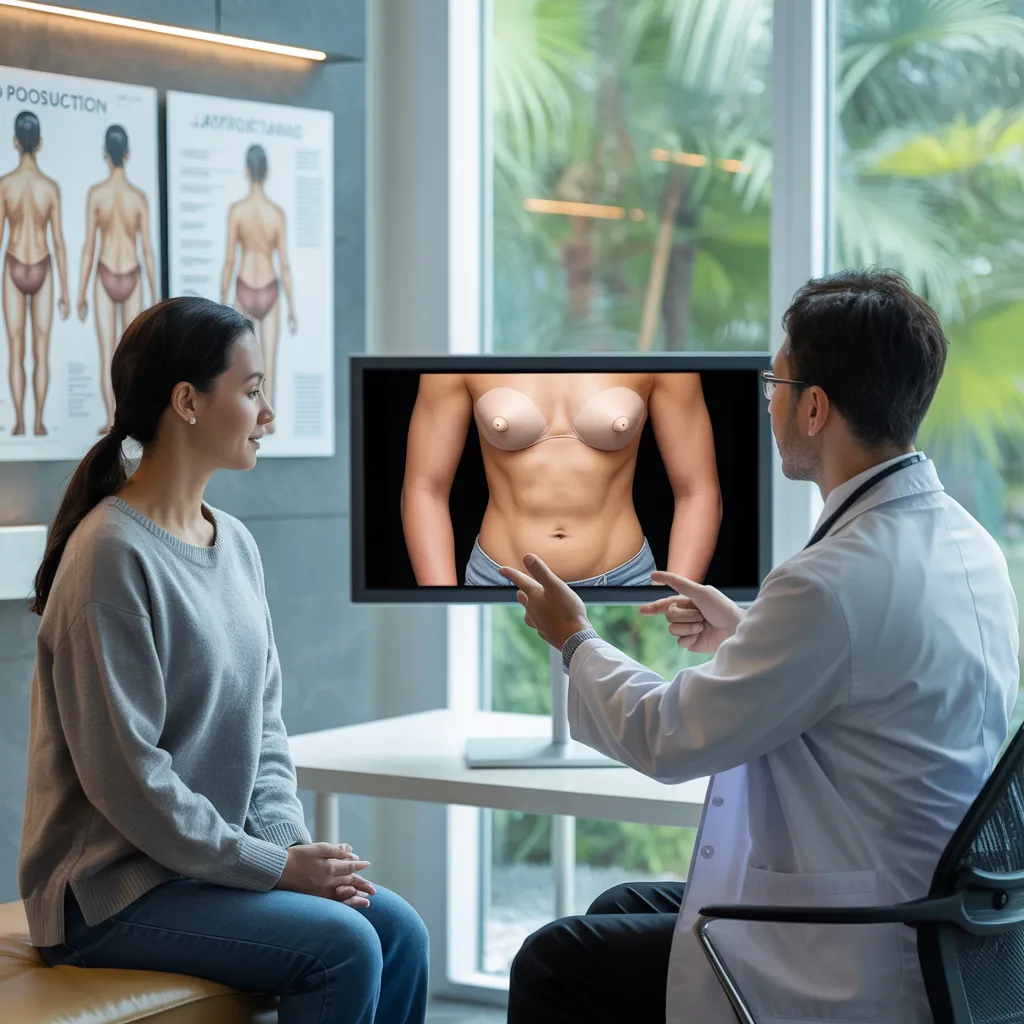
What Is Liposuction and How Does It Work?
Body contouring through liposuction, a widely sought-after body sculpting procedure, targets persistent fat accumulations that resist nutrition and workout regimens. The procedure involves the controlled elimination of excess fat through a specialized suction method, making use of a hollow tube known as a cannula. The procedure begins with the delivery of anesthetic, providing comfort to the patient. Once the area is marked, tiny cuts are created, enabling the cannula to penetrate the fatty tissue. The specialist then guides the cannula in precise movements to break up the adipose cells, which are then carefully removed through suction.
Liposuction may be applied to various body areas, including the abdomen, thighs, and arms. Candidates must maintain realistic expectations, as liposuction serves as a body contouring technique rather than a weight-loss solution. The recovery period differs, but many patients find they can get back to their regular activities within a few weeks. The results can be long-lasting if a healthy lifestyle is maintained post-procedure.
Key Advantages of Liposuction
Liposuction offers several significant advantages that appeal to people pursuing body enhancement. Among these benefits are improved body contouring, which helps achieve a sharper body outline, and a rise in self-esteem that commonly results from a successful procedure. Recognizing these benefits can help potential patients reach well-considered choices regarding their physical transformation process.
Improved Body Sculpting
Reimagining one's body contour often leads individuals to contemplate the value of refined body shaping through liposuction. This procedure effectively targets stubborn fat deposits, allowing for more precise shaping of the body. By removing excess fat from areas such as the abdomen, thighs, and arms, liposuction establishes a more harmonious body symmetry. Individuals frequently value the opportunity to attain a sculpted appearance that is difficult to attain through diet and exercise alone. Moreover, liposuction has the ability to support additional cosmetic interventions, elevating total achievements. The versatility of liposuction permits customization to each individual's unique body type and goals, making it a popular choice for those seeking dramatic changes in their physical appearance. The effect commonly produces a more refined body contour.
Elevated Self-Confidence
Self-assurance often blossoms subsequent to meaningful physical changes, and many individuals feel this boost after undergoing liposuction. The procedure can efficiently target and remove stubborn fat pockets, resulting in a more defined figure that aligns with one's personal appearance goals. As patients notice measurable improvements in their bodies, they often report heightened self-esteem and an enhanced view of their appearance. This newfound confidence can go beyond one's external appearance, influencing both personal and workplace relationships. A great number of patients find themselves motivated to welcome new prospects, engage in social events, and present themselves with greater confidence. In the end, the mental advantages of liposuction can be life-changing, cultivating a positive self-perception and encouraging healthier lifestyle choices. This surge of self-assurance is among the most persuasive reasons patients view liposuction as a worthwhile choice.
Could You Be a Strong Candidate for Liposuction?
Determining candidacy for liposuction involves several important factors. Individuals should ideally be within a stable body weight range, have no significant health issues that could pose risks, and possess realistic expectations regarding the procedure's outcomes. Assessing these important considerations enables potential candidates to establish whether liposuction represents an appropriate solution for them.
Optimal Body Weight Range
A healthy body weight range is essential for assessing suitability for liposuction. Candidates are typically advised to be within 30% of their target weight, as this reflects a stable weight and practical goals for fat reduction. Liposuction is not intended as a weight-loss strategy; instead, it is intended to reshape targeted areas of the body. Those who are considerably above or below their ideal weight may struggle to achieve desirable outcomes. Moreover, people who fall within a healthy weight range tend to benefit from improved skin elasticity, which can enhance the overall outcome. Ultimately, being in the ideal weight range is vital for ensuring both safety and effectiveness in the liposuction procedure, allowing for a more satisfying transformation.
Health Concerns and Risks
A great number of individuals exploring liposuction may wonder about their candidacy based on various health considerations and associated risks. The best candidates are generally within 30% of their desired body weight and have firm skin with excellent elasticity. Individuals with underlying health issues, such as heart disease, diabetes, or compromised immune systems, may face elevated risks during the procedure. Tobacco use can likewise slow recovery and raise the likelihood of complications. In addition, suitable candidates must hold reasonable expectations about outcomes and remain emotionally grounded. Meeting with an experienced surgeon is critical for assessing general health and establishing candidacy. Recognizing these elements allows people to make well-informed choices, confirming that liposuction suits their health condition and cosmetic objectives.
Practical Expectations Are Necessary
Individuals seeking liposuction must have practical expectations about the results of the procedure. One must understand that liposuction is not a weight-loss solution but a contouring procedure aimed at targeting targeted areas of excess fat. Ideal candidates should be near their target weight and have good skin elasticity. Individuals with existing health issues or impractical expectations may fail to benefit fully from the procedure. Furthermore, while liposuction can improve body contours, it is unable to treat concerns such as cellulite or skin laxity. Recognizing the limitations of what liposuction can achieve is vital for patient satisfaction. An in-depth consultation with an experienced surgeon will enable individuals to determine their suitability and establish realistic goals for their expected results.
How Is the Liposuction Procedure Performed?
Liposuction is a medical procedure aimed at extracting surplus fat deposits from particular areas of the body, improving the overall contour and appearance. The operation commonly commences with the delivery of anesthesia, ensuring patient comfort during the operation. A minor incision is created in the designated area, through which a slender tube known as a cannula is introduced.
The surgeon then uses the cannula to suction out fat cells, effectively sculpting the desired contours. Several techniques, such as tumescent liposuction, employ a saline solution to enhance fat removal and limit bleeding. The treatment can be performed on multiple body regions, including the thighs, abdomen, and arms, depending on the patient's goals.
Once the fat is removed, the incision gets closed, and the area is typically bandaged to promote healing. The entire procedure typically lasts from a single hour to several hours, depending on the degree of treatment necessary.
Healing: An Overview After Liposuction
Recovery from liposuction surgery is a critical phase that influences the overall outcome of the surgery. After the surgery, patients commonly experience swelling, bruising, and discomfort in the affected areas. These symptoms are normal and generally diminish within several weeks. Most individuals are encouraged to wear supportive compression garments to support healing and minimize swelling.
In the initial stages of recovery, it is essential to rest and limit physical activity. Light walking is frequently recommended to enhance circulation however strenuous exercises should be avoided for at least several weeks. Pain relievers may be prescribed to help control discomfort.
Post-operative visits with the operating surgeon are critical for tracking recovery and confirming appropriate healing. As recovery progresses, patients may begin to notice the outcomes of their surgery, with final outcomes typically visible after several months. Keeping up a healthy routine following the recovery period can assist in preserving the outcomes gained from liposuction.
Important Risks and Critical Considerations for Liposuction
While liposuction is a popular cosmetic procedure, it is important to be informed about the potential hazards and important aspects involved. Individuals may face adverse effects such as bacterial infections, clotting disorders, or anesthetic complications. Additionally, asymmetrical results or surface inconsistencies may develop, compromising the desired cosmetic results.
It is important for individuals to have reasonable expectations regarding the end results and recognize that liposuction is not intended as a weight-loss procedure. Patients should be in good general health and sustain a consistent weight before having the surgery. Consulting with a qualified and skilled surgeon is critical to determine individual candidacy and to review any pre-existing medical conditions that could heighten risks.
In addition, recognizing the financial aspects, including possible undisclosed expenses and the necessity for follow-up treatments, is critical for educated choices. All things considered, extensive research and careful planning can assist in reducing concerns related to liposuction.
Taking Care of Yourself After Liposuction
Post-surgical care plays a vital role in achieving see the facts optimal outcomes after liposuction. Patients are recommended to use compression garments to reduce swelling and facilitate the healing process. These garments should be worn as directed, typically for several weeks. Adequate hydration and a balanced diet can aid recovery, promoting skin elasticity and overall well-being.
Adequate rest is crucial in the early days following the surgery. Patients should refrain from vigorous activities and heavy physical exertion for several weeks at minimum to minimize the risk of complications. Managing discomfort can be managed with prescribed medications, but severe or unexpected pain should be reported to a healthcare provider.
In addition, ensuring the surgical sites remain clean and checking for signs of infection, such as excessive redness or unusual discharge, is essential. Post-operative consultations with the surgeon are necessary to assess healing and address any concerns. By complying with these instructions, patients can strengthen their recovery and accomplish the desired results.
Questions We Often Receive
How Much Does Liposuction Typically Cost?
Liposuction generally runs between $2,000 and $10,000, depending on factors like the treatment area, the surgeon's level of experience, and geographic location. Additional expenses may include anesthesia fees, surgical facility costs, and aftercare considerations.
Are Liposuction Results Long-Lasting?
Liposuction outcomes can be enduring; however, they cannot be guaranteed to last permanently. Natural aging, lifestyle decisions, and weight fluctuations can impact the results, requiring ongoing commitment to diet and exercise to maintain optimal results.
Is Liposuction Effective for Cellulite or Skin Laxity
Liposuction is not an effective solution for cellulite or loose skin, as it primarily targets fat removal. For these concerns, patients may consider alternative treatments including skin rejuvenation procedures or targeted cellulite solutions to achieve more satisfactory outcomes.
What Type of Anesthesia Is Used During Liposuction?
Liposuction generally makes use of local anesthesia, which targets and numbs specific regions, or general anesthesia, which renders the patient fully unconscious. The selection is based on the scope of the procedure and the patient's individual preferences, guaranteeing comfort during the entire operation.
How Quickly Can I Resume Work After Liposuction?
In most cases, patients can go back to work within one week after undergoing liposuction, based on the scope of the treatment and their individual healing process. Gentle daily tasks may be picked up again more quickly, while strenuous tasks may require additional time for healing.