finding liposuction clinic malaysia
Liposuction Unveiled: Advantages, Process, and What You Should Know
Liposuction is a broadly acknowledged aesthetic procedure intended to redefine the body's shape by targeting and removing stubborn fat deposits. While it is not meant to serve as a weight-loss treatment, many seek its aesthetic benefits. Comprehending the treatment, its advantages, and the recuperation period is essential for anyone considering this option. As prospective patients evaluate their options, questions about suitability and potential outcomes often arise. What should one truly expect from the liposuction experience?
What Is Liposuction and How Does It Function?
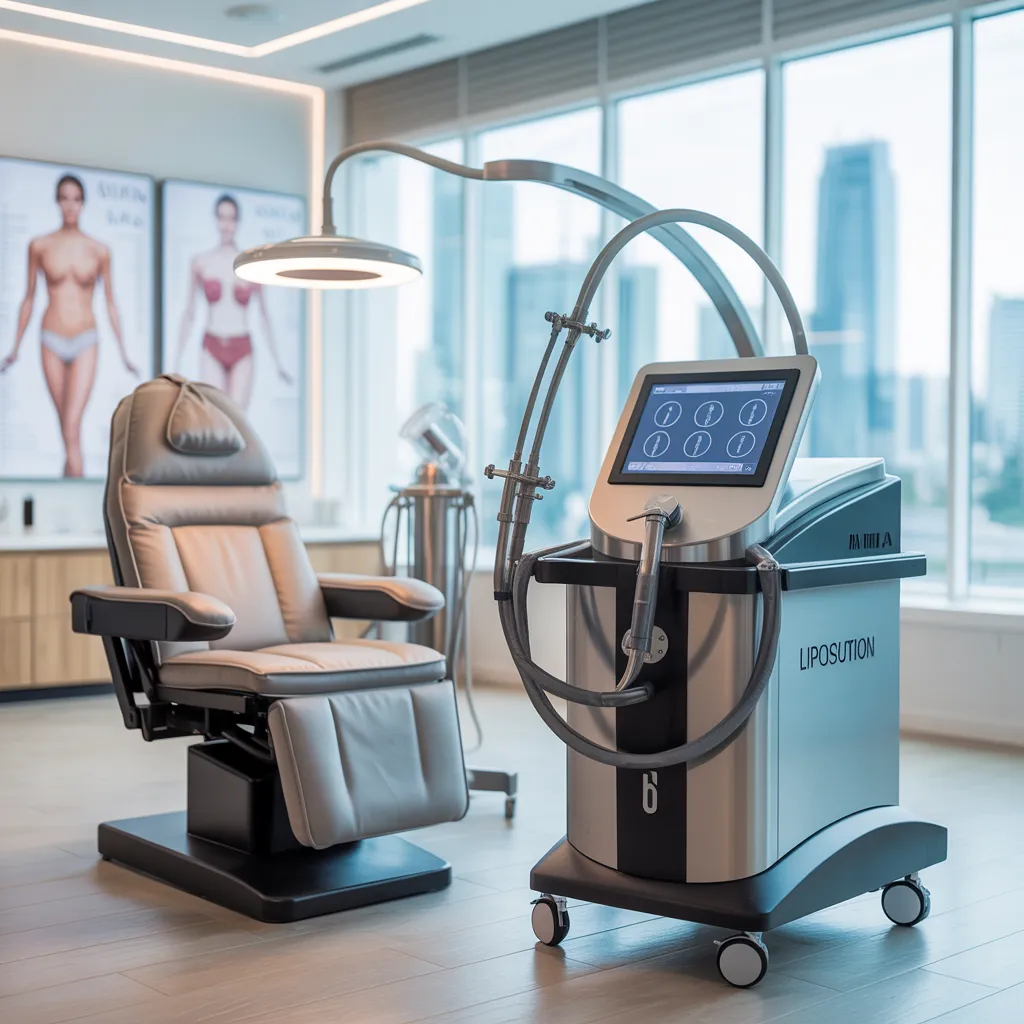
Liposuction, a well-known surgical procedure, targets persistent fat accumulations that do not respond to nutrition and workout regimens. This treatment involves the medical extraction of fat through a suction technique, utilizing a thin hollow instrument referred to as a cannula. The process starts with the application of anesthesia, ensuring the patient's comfort. When the targeted region is outlined, small incisions are made, enabling the cannula to penetrate the fatty tissue. The specialist then guides the cannula in controlled back-and-forth motions to loosen the fatty cells, which are then carefully removed through suction.
Liposuction may be applied to various body areas, including the abdomen, thighs, and arms. It is essential for candidates to have realistic expectations, as liposuction is designed as a body contouring procedure and not a method for weight loss. Healing time can vary, but most individuals can resume normal activities within a few weeks. Long-lasting results are achievable when a healthy lifestyle is upheld after the procedure.
Primary Benefits of Liposuction
Liposuction provides many compelling benefits that attract many individuals seeking body improvement. These advantages include improved body contouring, which produces a more sculpted figure, and a boost in self-confidence that frequently accompanies a positive outcome. Understanding these advantages may assist prospective patients arrive at thoughtful conclusions about their body transformation journey.
Improved Body Sculpting
Reshaping one's figure frequently prompts people to consider the value of refined body shaping through liposuction. This technique precisely addresses persistent fat accumulations, enabling more accurate sculpting of the physique. By removing excess fat from areas such as the abdomen, thighs, and arms, liposuction achieves a more visually appealing physical balance. Clients commonly recognize the chance to accomplish a defined physique that is difficult to attain through diet and exercise alone. Furthermore, liposuction is capable of enhancing other aesthetic treatments, elevating total achievements. The adaptability of liposuction allows tailoring to every patient's distinctive physique and objectives, rendering it a favored selection for patients pursuing substantial improvements in their physical profile. The results frequently yield a more sculpted figure.
Improved Self-Confidence
Confidence often blossoms following meaningful physical changes, and a great number of people experience this uplift after undergoing liposuction. The procedure can successfully remove persistent fat deposits, leading to a more sculpted body that matches individual beauty objectives. As people witness tangible changes in their physiques, they often report increased self-worth and a better perception of their body. This newly discovered self-assurance can reach further than physical appearance, affecting personal and professional interactions. Numerous people feel empowered to embrace new opportunities, engage in social events, and express themselves more freely. At its core, the mental advantages of liposuction can be profoundly impactful, fostering a positive self-perception and encouraging healthier lifestyle choices. This boost in self-confidence is among the most persuasive reasons individuals consider liposuction as a viable option.
Could You Be a Strong Candidate for Liposuction?
Assessing eligibility for liposuction requires consideration of several key factors. Prospective patients are best suited when they fall within a healthy and stable weight range, have no significant health issues that could pose risks, and possess realistic expectations regarding the procedure's outcomes. Reviewing these key factors allows prospective patients to determine whether liposuction is the right choice for their needs.
Ideal Body Weight Range
The optimal body weight range is a key factor in evaluating candidacy for liposuction. Individuals are usually encouraged to be within 30% of their desired weight, as this suggests a consistent weight and achievable objectives for fat elimination. Liposuction is not intended as a weight-loss strategy; rather, it is designed to contour specific areas of the body. Individuals who are greatly overweight or underweight may face challenges in achieving optimal results. Additionally, those within a healthy body weight range often have better skin elasticity, which can enhance the overall outcome. At the end of the day, staying within the ideal weight range is essential for securing both the safety and efficacy of the liposuction treatment, leading to a more rewarding transformation.
Health Factors and Risks
Numerous people thinking about liposuction could have concerns about their suitability given different health considerations and related risks. The best candidates are generally within 30% of their desired body weight and have firm skin with excellent elasticity. Those with existing health concerns, such as heart disease, diabetes, or impaired immune systems, may experience increased risks during the process. Smoking can also hinder recovery and increase complications. In addition, suitable candidates must hold reasonable expectations about outcomes and remain emotionally grounded. Consultation with a qualified surgeon is essential for evaluating overall health and determining suitability. Being aware of these considerations enables individuals to reach educated decisions, verifying that liposuction is consistent with their health profile and aesthetic aspirations.
Realistic Expectations Required
Those considering liposuction need to have practical expectations about the procedure's outcomes. It is essential to understand that liposuction is not a weight-loss solution but a body contouring method aimed at targeting particular fat deposits. Ideal candidates should be at or near their ideal weight and possess good skin elasticity. Individuals with existing health issues or unrealistic goals may not fully benefit from the procedure. Additionally, while liposuction can improve body contours, it does not resolve problems like cellulite or skin laxity. Being aware of the boundaries of what liposuction can achieve is crucial for achieving satisfaction. An in-depth consultation with a skilled surgeon will help individuals assess their eligibility and establish realistic goals for their intended outcomes.
What Is Involved in the Liposuction Procedure?
Liposuction is a surgical technique intended to eliminate unwanted fat deposits from targeted regions of the body, refining the body's overall shape and contour. The operation commonly commences with the delivery of anesthesia, ensuring patient comfort during the operation. A minor incision is created in the designated area, through which a narrow tube referred to as a cannula is carefully inserted.
The surgeon then employs the cannula to suction out fat cells, skillfully shaping the intended contours. Various techniques, such as tumescent-based liposuction, utilize a saline solution to promote fat removal while minimizing bleeding. The surgery can be conducted on multiple body areas, including the abdomen, thighs, and arms, depending on the patient's goals.
Once the fat has been removed, the incision is carefully closed, and the area is typically bandaged to support the healing process. The entire procedure generally takes from a single hour to several hours, according to the amount of treatment needed.
Healing: A Guide After Your Liposuction Procedure
Recuperation from liposuction surgery is a vital phase that influences the overall effectiveness of the operation. Post-surgery, patients commonly experience discomfort, swelling, and bruising in the affected areas. These side effects are normal and usually subside within a few weeks. Most individuals are advised to wear supportive compression garments to support healing and minimize swelling.
Throughout the early recovery phase, resting and limiting physical activity is crucial. Gentle walking is commonly advised to support healthy circulation while refraining from intense physical activity for a minimum of a few weeks. Pain relievers may be prescribed to help control discomfort.
Subsequent appointments with the surgeon are critical for monitoring progress and ensuring proper healing. As the recovery journey unfolds, patients can begin to see the effects of their procedure, with final outcomes typically visible after several months. Keeping up a healthy routine following the recovery period can assist in preserving the outcomes gained from liposuction.
Key Risks and Essential Considerations for Liposuction
While liposuction is a popular cosmetic procedure, it is essential to be informed about the potential complications and key factors involved. Patients may experience complications such check article as infection, deep vein thrombosis, or reactions to anesthesia. Moreover, irregular body contours or skin texture issues may arise, affecting the final aesthetic outcome.
It is crucial for candidates to have reasonable expectations regarding the end results and be aware that liposuction is not a weight-loss solution. Candidates should be in good overall health and sustain a consistent weight before having the surgery. Speaking with a qualified and skilled surgeon is essential to determine individual candidacy and to discuss any pre-existing medical conditions that could increase risks.
In addition, recognizing the economic factors, including possible undisclosed expenses and the importance of post-procedure care, is critical for educated choices. Overall, detailed research and adequate preparation can assist in reducing concerns related to liposuction.
How to Look After Yourself Following Liposuction
Post-operative care is essential for achieving ideal results after liposuction. Patients are recommended to use compression garments to reduce swelling and facilitate the healing process. These garments are to be worn according to medical guidance, usually for a period of several weeks. Proper hydration and a nutritious diet can support the recovery process, enhancing skin elasticity and general well-being.
Recovery is essential in the early days following the surgery. Those recovering should refrain from vigorous activities and lifting heavy objects for a minimum of a few weeks to prevent complications. Addressing pain can be addressed with prescribed medications, but any pain that is unusual or severe should be reported to a healthcare provider.
Additionally, proper care of the surgical sites and observing for symptoms of infection, such as increased redness or discharge, is of utmost importance. Regular check-ups with the surgeon are key to monitor healing and respond to any questions. By complying with these instructions, patients can optimize their recuperation and reach the intended goals.
Commonly Asked Questions
How Much Does Liposuction Usually Cost?
Liposuction typically costs between $2,000 and $10,000, based on factors such as the treatment area, the expertise of the surgeon, and geographic location. Extra costs can include facility fees, anesthesia costs, and post-operative care.
Is Liposuction a Permanent Solution?
Liposuction results can be long-lasting; however, they are not guaranteed to be permanent. Weight gain, lifestyle choices, and natural aging can affect the outcome, requiring ongoing commitment to diet and exercise to maintain optimal results.
Can Liposuction Help with Cellulite or Skin Sagging
Liposuction is not an effective solution for cellulite or loose skin, as it primarily targets fat removal. When dealing with these conditions, patients are encouraged to look into different therapeutic approaches like skin tightening procedures or cellulite-specific therapies for better results.
What Type of Anesthesia Is Used During Liposuction?
Liposuction typically utilizes local anesthesia, which targets and numbs specific regions, or general anesthesia, which renders the patient fully unconscious. The selection is based on the scope of the procedure and the patient's individual preferences, guaranteeing comfort during the entire operation.
When Can I Go Back to Work Following Liposuction?
Generally, most people are able to resume work within a week following liposuction, depending on the extent of the procedure and their personal recovery. Gentle daily tasks may be picked up again more quickly, while more demanding activities may need extra recovery time.