Explore Aequi Flex Support
Exploring Various Kinds of Ankle Support Options: How to Choose the Right One for You?
Ankle stabilization plays a vital role in injury prevention as well as recovery assistance. With a wide range of solutions to consider, individuals often find themselves unsure of which option best suits their needs. Taping methods, rigid braces, and elastic sleeves each provide unique advantages suited to individual requirements. Recognizing these distinctions is key to choosing wisely. What elements should be evaluated when determining the best solution? The answers might surprise you.
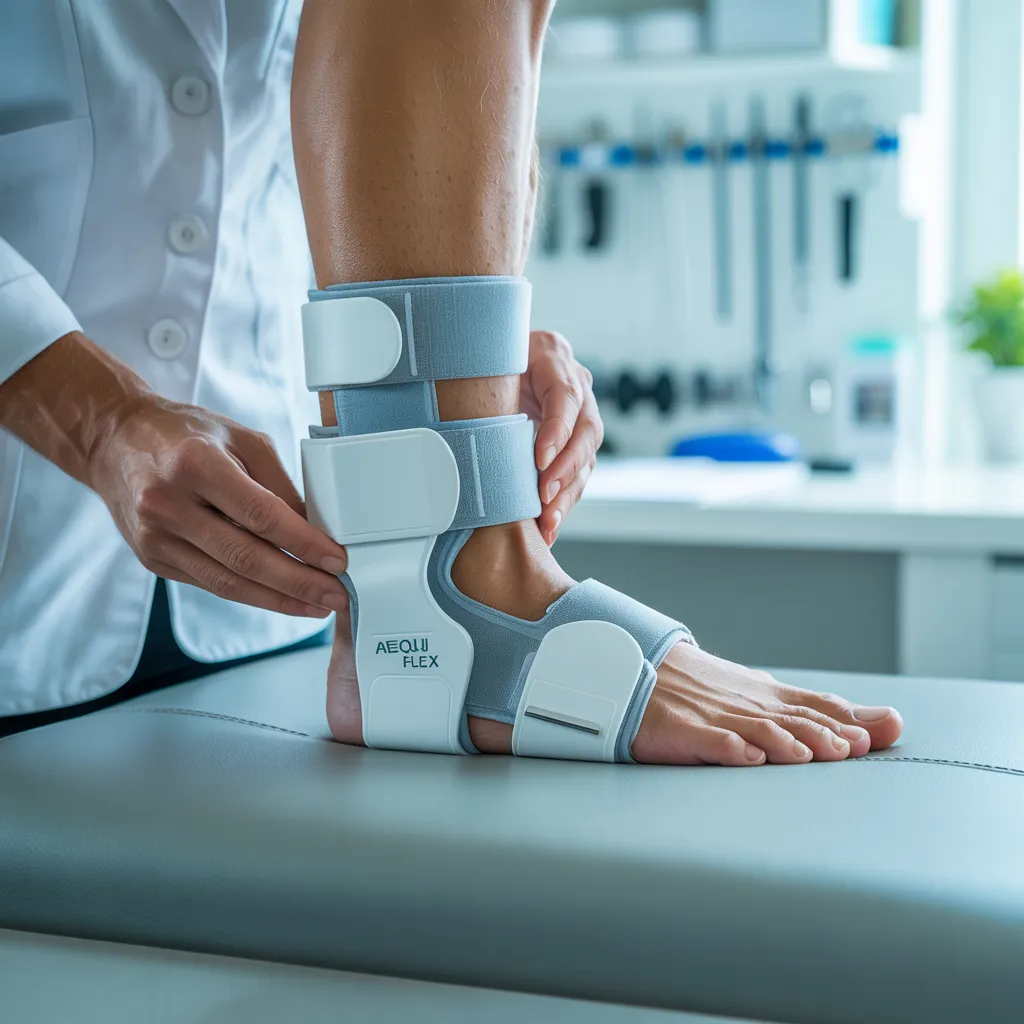
The Importance of Ankle Support in Injury Prevention
What role does ankle support play in preventing injuries? Ankle support is essential in minimizing the risk of injuries throughout physical activities, most notably in sports that demand jumping, pivoting, or rapid shifts in direction. By offering stability to the ankle joint, support systems can reduce the occurrence of sprains and strains that frequently arise from excessive movement or impact. Proper ankle support also encourages correct biomechanics, which is fundamental for maintaining balance and alignment during dynamic actions.
Beyond reducing injury risk, ankle support devices can support the recovery process for those who have suffered prior injuries. They provide a safeguarding barrier, allowing individuals to engage in physical activities while reducing the chances of re-injury. Overall, quality ankle support is vital for sportspeople and physically active individuals, enhancing both safety and performance in numerous physical pursuits.
Varieties of Ankle Supports: Braces, Sleeves, and Taping
Ankle support devices are available in various forms, each designed to cater to a range of needs and preferences. Braces offer firm support, usually crafted from plastic or metal materials, and are ideal for those recovering from injuries or requiring significant stabilization. They frequently include customizable straps for a tailored fit.
Ankle sleeves, in contrast, are constructed from elastic materials that provide pressure and thermal comfort. Such supports are lightweight and suitable for people looking for moderate support during physical activities or those with chronic conditions.
Taping encompasses the direct application of sports tape applied to the skin and can deliver personalized levels of support. It is often used by sports professionals for increased stability and injury prevention during physical activity.
Each ankle support type is designed for particular purposes, enabling individuals to select options based on their unique activity levels, injury condition, and personal comfort needs. Being aware of these alternatives assists in determining the most fitting support for each person's requirements.
Key Benefits of Each Ankle Support Type
Grasping the advantages of each type of ankle support is crucial for making educated decisions. Braces offer superior stability and support, while sleeves focus on flexibility and comfort. Each option serves distinct needs, accommodating a range of activities and injury levels.
Stability And Support
Picking the correct type of ankle support can considerably boost healing and promote stability. Rigid supports, such read more as stirrup-style braces, offer maximum immobilization, making them perfect for serious injuries or recovery after surgery. They limit unwanted motion, helping to protect against further harm. In contrast, elastic braces deliver moderate support, allowing for some movement while still delivering needed compression. This makes them suitable for mild sprains or as a protective measure during active pursuits. Additionally, lace-up supports blend the advantages of both rigid and elastic varieties, offering adjustable tension and support. All ankle support varieties serve specific roles, ensuring that users can identify the most appropriate option based on their particular requirements and injury level.
Freedom And Comfort
Picking the appropriate ankle support can significantly impact flexibility and comfort during physical activities or recovery. Different ankle supports provide unique advantages. For instance, elastic sleeves deliver mild compression, improving blood flow while enabling a full range of motion, perfect for mild exercise. In contrast, lace-up ankle braces allow for customizable tightness, offering both support and flexibility to support diverse movements. Rigid ankle braces emphasize stability but may restrict movement, making them appropriate for rehabilitation. Adaptable ankle supports find a middle ground, providing stability while enabling some degree of flexibility. Ultimately, the most suitable choice is based on individual needs, activity levels, and recovery goals, providing maximum comfort and functionality during use.
Critical Factors for Picking the Best Ankle Support
Identifying the best ankle support encompasses several key factors that can significantly impact performance. First, one must consider the level of activity, as different supports cater to varying intensities of movement. Moreover, evaluating the type of injury and guaranteeing correct sizing and comfort are critical for the best possible support and recuperation.
Activity Level Factors
When considering ankle supports, knowing the individual's activity level is vital for guaranteeing optimal protection and functionality. For instance, athletes may need stronger supports built to handle demanding movements, while those with a sedentary lifestyle might benefit from lighter, more flexible options. Different sports demand varying levels of stability; a runner may need a support that allows for natural ankle motion, while a basketball player may need additional support to avoid injuries when making rapid directional shifts. For those involved in everyday activities, a mid-level support may offer the perfect equilibrium between comfort and stability. Selecting the appropriate ankle support tailored to one's activity level promotes peak performance and reduces the risk of further injury during routine or athletic endeavors.
Injury Category Analysis
Identifying the type of ankle injury is vital for establishing the most suitable solution. Various injuries, such as fractures, sprains, or strains, require targeted types of compression and stabilization. For reference, mild sprains may respond well to elastic wraps that provide gentle support, while moderate to severe sprains often demand braces that reduce mobility and offer substantial stabilization. Fractures, on the other hand, might require rigid splints to immobilize the ankle completely. Furthermore, chronic conditions like tendonitis may call for supports that enhance proprioception and minimize strain during activity. By accurately assessing the injury type, patients can identify ankle supports that not only support healing but also prevent further injury, enabling a healthier return to everyday activities.
Fit and Feel
Picking the right ankle support depends significantly on proper fit and comfort, particularly after assessing the kind of injury. A correct fit assures that the support offers appropriate stability without impeding blood flow. Ankle supports are available in numerous sizes and designs, making it necessary to select one that conforms well to the wearer's foot and ankle form. Material types also play a significant role; breathable materials improve comfort during prolonged use, while flexible straps can provide a tailored fit. Additionally, the level of compression should be considered, as too much may restrict movement, while too little might not deliver enough support. At the end of the day, the proper balance of comfort and fit allows for peak healing and functionality during everyday activities.
Ankle Braces vs. Taping: When to Use Each?
What provides superior support for ankle injuries: braces or taping? The choice between ankle braces and taping often depends on the severity of the injury and individual needs. Ankle braces deliver reliable support and stability, making them well-suited for addressing chronic conditions or healing from serious injuries. They are additionally reusable and simpler to put on, providing the wearer with a dependable solution for everyday activities.
In contrast, athletic taping can provide a highly personalized fit, allowing for adjustments according to particular injuries or physical demands. This approach is particularly valuable for sportspeople who need additional flexibility or who are looking for interim support while playing. That said, applying tape correctly requires professional skill and often requires regular reapplication.
In the end, the choice should take into account key factors like the nature of the injury, activity level, and individual comfort, ensuring the optimal support for the ankle joint.
Key Signs You Should Upgrade Your Ankle Support
How does one know when it's time to replace their ankle support? A number of indicators point to the need for a change. Initially, if the individual experiences continuous pain or instability while being active, it could be a sign that the current support is failing to meet their needs. Furthermore, noticeable signs of deterioration, such as worn straps or damaged padding, can diminish the support's performance.
Comfort is another essential consideration; should the support cause discomfort or limit mobility, an upgrade may be necessary. Alterations in exercise intensity or athletic pursuits could also call for a different kind of support to meet new demands.
Lastly, if the ankle support no longer fits properly—either too loose or overly tight—it may no longer supply the essential stability. Regular assessments of these signs can help secure maximum ankle stability and care, which ultimately supports better physical function and injury avoidance.
Commonly Asked Questions
Are Ankle Supports Suitable for Prevention Without a Previous Injury?
Ankle braces can absolutely be effective for the prevention of injuries, especially during demanding physical activities. They deliver structural support and stability, reducing the likelihood of strains or sprains, making them beneficial even for people without prior injuries.
How Should I Clean and Care for My Ankle Support?
To wash and upkeep your ankle support, carefully wash with a gentle soap using cold water, keeping away from strong chemicals. Air-dry completely away from heat sources for optimal hygiene and prolonging the support's durability for ideal use.
Are There Specific Sizes for Ankle Supports?
Indeed, ankle supports come in specific sizes to guarantee proper fit and efficacy. Manufacturers typically provide sizing charts based on measurements, enabling users to choose the most suitable option for their individual needs and comfort.
Are Ankle Supports Safe to Wear During Sleep?
Ankle braces may be used during sleep, depending on each person's comfort and the specific condition being treated. Some may benefit from the additional stability, while others might find them uncomfortable, potentially affecting their overall sleep quality.
What Materials Are Typically Found in Ankle Supports?
Typical materials found in ankle supports consist of neoprene to provide flexibility, elastic blend fabrics for added compression, and rigid plastics for stability. These materials provide varying levels of support, comfort, and breathability, accommodating diverse requirements and personal preferences.