Discover a Paternity Test Kit for Private Testing
Is a Home Paternity Test Suitable for You? Advantages and Disadvantages
The choice to utilize a home paternity test is complex. It delivers accessibility and confidentiality, drawing in those who desire swift conclusions. Still, the likelihood of inaccuracies and emotional repercussions can create further complications. Moreover, such tests hold no legal standing, prompting concerns regarding their validity. Understanding these factors is essential. What would be the wisest approach for people navigating these difficult circumstances?
How At-Home Paternity Tests Operate
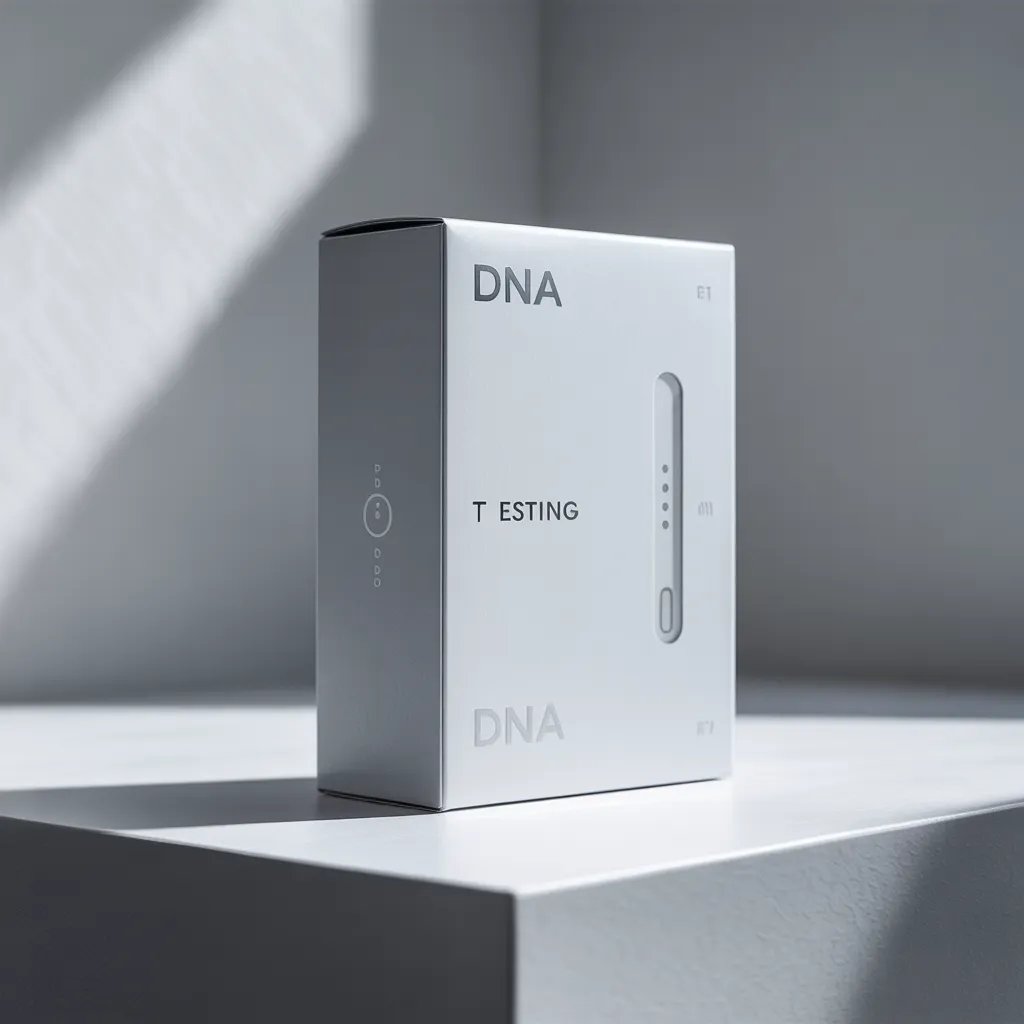
Home paternity testing simplifies the procedure for establishing genetic connections through a convenient process. In most cases, these tests include gathering DNA specimens from the people being tested, usually through cheek swabs. Individuals follow the supplied directions to confirm proper sample collection and handling. Once samples are secured, they are forwarded to a certified lab for processing.
In the lab, DNA undergoes extraction and comparison to assess genetic similarities. The testing process utilizes cutting-edge methods to identify markers that indicate a genetic connection. Results are usually available within a short timeframe, providing clarity to people searching for confirmation of parenthood.
While home paternity tests offer convenience and privacy, it is critical for individuals to be aware that these tests are meant to serve informational needs and may not be recognized in legal proceedings. Those seeking official results for legal proceedings may need to pursue accredited testing through certified facilities.
The Advantages of Home Paternity Testing
Why choose a home paternity test? Many individuals seek the accessibility and confidentiality that these tests deliver. At-home paternity testing supports confidential sample gathering, generally including basic cheek swabs, which may be performed in the absence of a healthcare professional. This level of accessibility makes it easier for individuals to obtain accurate results conveniently and in a familiar environment.
In addition, home tests are generally more cost-effective than laboratory tests, making them a desirable option for budget-conscious individuals. The turnaround time for results tends to be speedier, frequently delivering answers within days.
In addition, these tests help reduce emotional uncertainty by providing clarity concerning paternity, which can be crucial for both personal relationships and legal situations. Overall, residential paternity tests deliver a convenient solution for people seeking clarity without the hassle of formal testing environments.
The Dangers of At-Home Paternity Testing
Although home paternity testing offers considerable convenience, potential risks should not be overlooked. One major issue relates to the precision of the findings. Home tests may not always adhere to the same rigorous standards as laboratory tests, potentially producing misleading or erroneous results. Furthermore, incorrect sample gathering can undermine the accuracy of the findings, because improper handling or sample contamination can lead to skewed and unreliable conclusions.
Another concern relates to the begin now privacy and security of personal data. Many home testing kits require users to submit personal information, which could be vulnerable to breaches or misuse. In addition, individuals may face unexpected emotional consequences, as results can lead to family conflicts or distress.
Lastly, the legal considerations of home paternity tests should be taken into account. Results from these tests are frequently not recognized in legal proceedings, diminishing their effectiveness in legal situations. Overall, while home paternity testing presents ease of access, the inherent risks warrant careful consideration.
The Emotional and Legal Dimensions of Paternity Testing
Recognizing the psychological and legal considerations of paternity testing is important for anyone contemplating a home test. The psychological aftermath from learning about surprising outcomes can be far-reaching, affecting family bonds between parents, children, and relatives. It is important for individuals to prepare for possible emotions such as anxiety, anger, or confusion that might arise from the results of the test.
In legal terms, the ramifications can also be significant. The findings from a home paternity test might not hold up in court, potentially complicating custody or child support disputes. Therefore, anyone contemplating such tests ought to consult with legal experts to gain a complete understanding of their rights and choices. Additionally, confirmed paternity may result in responsibilities related to child support and inheritance, adding another layer of complexity. In the end, carefully weighing both the emotional and legal factors is essential to effectively navigating the potential outcomes of paternity testing.
Could a Home Paternity Test Be Right for You?
Evaluating whether a home paternity test is the right choice involves careful consideration of various factors. Individuals contemplating this option should carefully assess their reasons, as emotional implications can be significant. A home test offers convenience and privacy, but it lacks the legal standing of laboratory tests, which are often required for custody or support cases.
In addition, precision is a key factor to consider; while numerous home tests prove trustworthy, discrepancies can occur. Users should also evaluate the potential impact on family dynamics, as findings can produce unforeseen outcomes. Additionally, the cost-effectiveness of home tests should be assessed against the likely necessity of additional professional testing.
Ultimately, a careful evaluation of one's own circumstances, emotional readiness, and lasting implications is crucial. Consulting with a professional may offer additional insight, allowing individuals to make a well-informed choice about whether a paternity test at home aligns with their needs.
Questions We Often Receive
How Accurate Are Home Paternity Tests Compared to Lab Tests?
At-home paternity tests generally provide accuracy levels above 95%, on par with laboratory tests. Nevertheless, elements such as sample quality and examination procedures could impact the results. When seeking reliable conclusions, laboratory-based testing remains the gold standard.
Can the Privacy of At-Home Paternity Test Results Be Trusted?
Faith in the privacy of home-based paternity test results varies by organization. Reputable providers apply rigorous confidentiality measures, but consumers should examine guidelines and customer feedback to ensure sensitive details remains secure throughout the procedure.
What Is the Price Range for Home Paternity Tests?
Home paternity testing kits generally cost from $100 to $500, based on the testing provider and the level of complexity involved. Additional costs may arise for rush results or specialized testing options, influencing the final price.
How Long Does It Take to Get Results From a Home Test?
Results from a home paternity test usually take anywhere from three to seven days. Some providers can offer accelerated testing options, providing results in as few as one or two days, based on the lab's processing capabilities.
Are Home Paternity Tests Legal in All States?
Home paternity tests are generally legal in all states; however, specific regulations and guidelines may vary. It is important for individuals to review local laws and ensure adherence to any required legal procedures before moving forward.