Buyer Insights to DNA Paternity Test
The Rise of Home Paternity Tests: Reliability, Discretion, and Accessibility
The rise of at-home paternity tests represents a notable shift in how people handle the verification of parentage. With precision levels commonly reaching beyond 99%, these assessments offer a practical method for DNA sample collection. However, underlying privacy concerns about personal genetic information are still widespread. As more people evaluate this form of testing, it is important to carefully assess the impact of accuracy, privacy, and emotional consequences. What elements should they focus on in making this important decision?
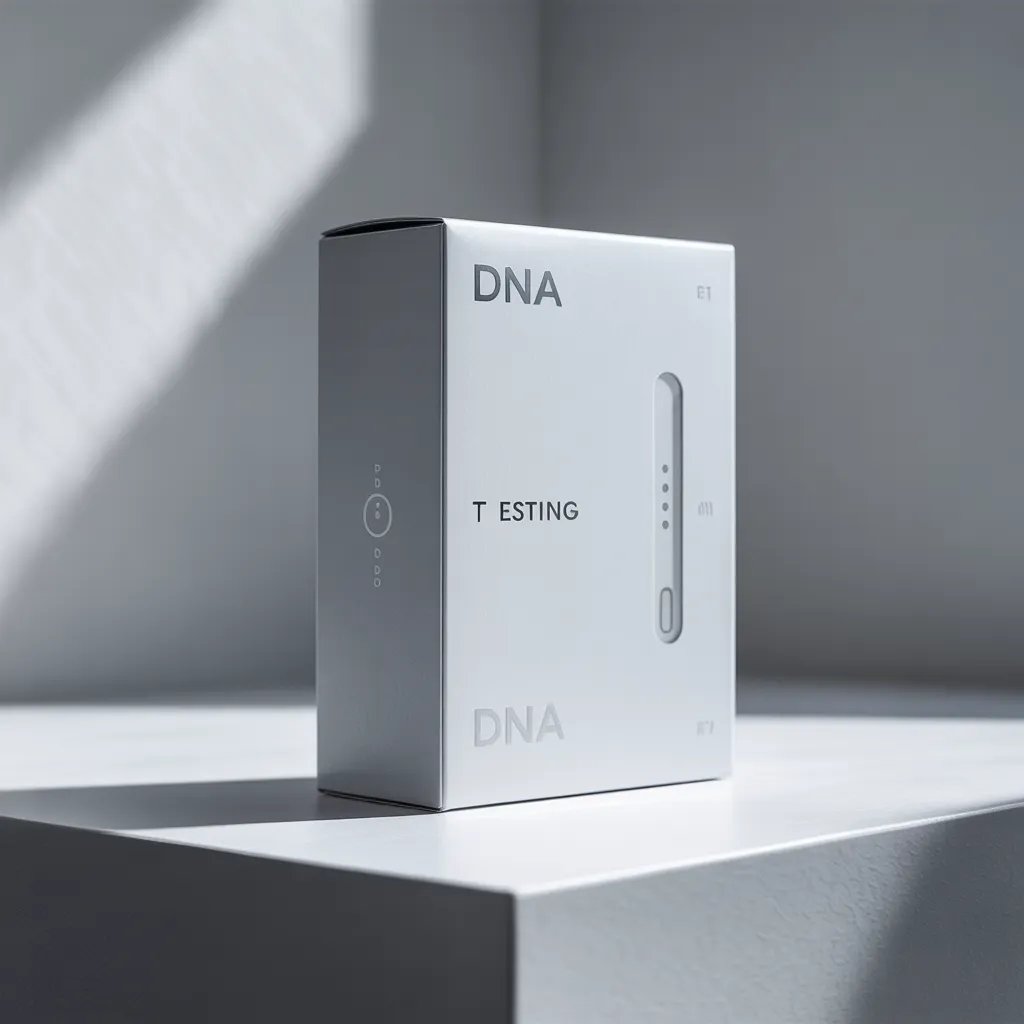
How Do Home Paternity Tests Work?
Residential paternity tests commonly work through a straightforward process involving the collection of DNA samples. Individuals receive a testing kit that includes swabs for collecting cheek cells, generally from the alleged father and the child in question. Individuals are directed to carefully swab the interior of their cheeks to gather sufficient DNA material. After collecting the samples, they are placed in designated containers and sent to a laboratory for analysis.
At the laboratory, the DNA is isolated and studied to pinpoint particular genetic indicators. This analysis compares the DNA samples of the child and the alleged father to confirm paternal relationship. Outcomes are generally provided within a few days, and the method is crafted to be user-friendly, ensuring minimal discomfort. The ease of at-home testing resonates with many people, permitting individuals to obtain clarity in the privacy of their own environment. This procedure highlights the examination's increasing recognition as a dependable choice for paternity verification.
How Accurate Are Home Paternity Tests?
How reliable are home paternity tests when it comes to determining biological relationships? In most cases, these tests are reported to deliver a high accuracy rate, commonly exceeding 99% when administered under the right conditions. These tests examine DNA samples collected from the potential father, child, and occasionally the mother, evaluating genetic markers to confirm a biological connection. That said, the precision of these tests can be compromised by issues like sample contamination or inadequate handling practices.
The majority of home tests employ sophisticated methods comparable to those used in certified facilities, yet they may fall short of the strict quality control linked to professional testing. Moreover, results can differ between various brands and products, highlighting the significance of choosing a reliable source. While home paternity tests can provide a reliable sign of familial relationships, individuals should proceed carefully, bearing in mind that serious legal and personal consequences may arise from the findings. In the end, for total assurance, consulting a certified laboratory is recommended.
What Privacy Concerns Should You Know About?
While home paternity tests offer an accessible means of determining familial biological ties, they simultaneously present serious privacy issues. The acquisition and processing of genetic data, commonly obtained through cheek swabs or saliva samples, has the potential to cause unauthorized access or misuse. Many companies do not guarantee the privacy of provided specimens, placing individuals at risk of privacy violations.
Furthermore, the findings may be shared with third parties without express consent, intensifying worries of discrimination or discrimination. Customers may also be unaware of how their genetic data will be kept or potentially applied to research aims.
In addition, the psychological ramifications connected to unforeseen outcomes can add complexity to the privacy framework. On the whole, while these tests provide ease and accessibility, the lack of stringent regulations and openness in how data is managed prompts critical examination about individuals' rights to privacy and autonomy over their personal genetic data.
How Do Test Results Affect Emotions?
The emotional consequences from paternity test results can be profound and far-reaching. Those involved may experience a spectrum of emotions, ranging from happiness and relief to resentment and heartbreak. For many people, a positive match can validate longstanding assumptions, fostering a feeling of belonging and stability. On the other hand, a negative result may lead to emotions of uncertainty, bewilderment, and grief, particularly if a close family tie is brought into doubt.
Such feelings can extend beyond the individual to affect relationships within families. Parents could wrestle with fear and guilt concerning what this means for their children, while siblings might face changes in how they view family relationships. Furthermore, societal stigma may intensify these emotions, as individuals navigate societal expectations report surrounding parentage. In the end, the psychological impact of paternity test results varies widely, emphasizing the complicated connection between identity, trust, and emotional well-being.
Important Factors to Consider When Choosing a Home Paternity Test
Steering through the emotional journey following paternity test results frequently causes people to think carefully about their next steps, particularly when deciding on a home paternity test. A number of important considerations require careful thought to ensure a reliable and satisfactory outcome.
To begin, exactness is critical; consumers are advised to select tests offering superior sensitivity and specificity scores. Following this, user-friendliness plays a key role; a clear and direct collection method can minimize stress. Privacy is another significant concern; established organizations ought to assure protected processing of private data and findings.
Pricing is also an important consideration; prospective users should balance the cost against the assessment's reliability and customer support. Lastly, user reviews and personal accounts shed light on the experiences of fellow customers, helping individuals work through the various alternatives. By thoroughly considering these aspects, people can arrive at well-informed decisions that match their personal requirements and goals.
Questions Our Clients Often Ask
Can Home Paternity Tests Be Used as Legal Evidence in Court?
DIY paternity tests are generally not legally admissible in court owing to reliability issues and a lack of consistent testing protocols. Courts generally mandate analyses carried out by certified laboratories for reliable legal evidence in paternity cases.
How Long Does It Take to Get Home Paternity Test Results?
Home paternity test results typically take anywhere from three to five days to be processed. Some companies offer faster turnaround options, reducing the wait time to just 24 hours, based on the particular testing method selected.
Can I Take the Test Again if I'm Unclear About My Results?
Yes, users can retest if unsure of the outcome. It is best to pause briefly before repeating the test to confirm accuracy. Seeking professional advice can also provide guidance on the most appropriate course of action.
Which Samples Are Required for At-Home Paternity Tests?
Residential paternity test kits generally need cheek swabs from both the child and the presumed father, however a number of kits are also compatible with blood specimen samples. Appropriate collection and proper handling of such samples are vital for obtaining reliable results.
Are There Age Restrictions for Testing Children?
There are typically no particular age limitations when testing children using home paternity tests. That said, acquiring approval from a legal guardian is usually mandatory, guaranteeing that the child's rights and personal privacy are honored throughout the procedure.